
Welcome to
Fred & Jessi on the road
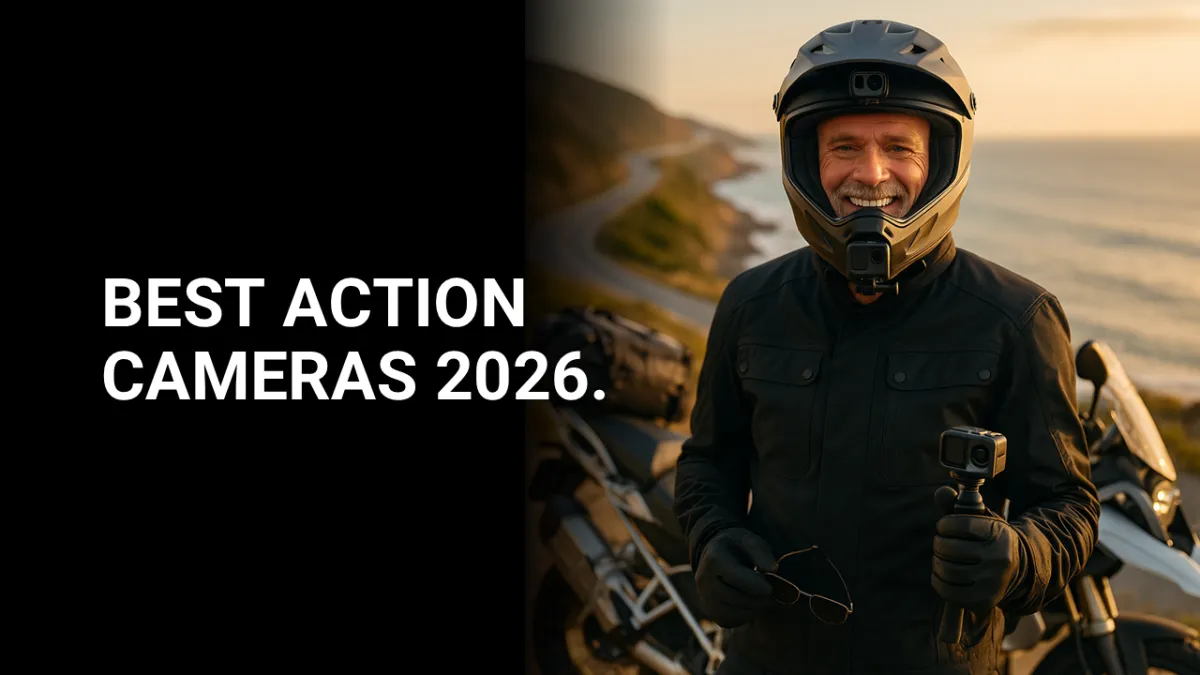
Best Action Cameras 2026 (103)

Before a long ride, there is always that quiet pause. The bike is packed. The route is loose. Jessi stands ready, dust still from the last adventure. You check tire pressure, fuel range, and then your cameras.
Not because you want to film everything, but because you know some moments deserve to be remembered. Motorcycle travel is raw and honest. It rewards preparation and punishes shortcuts. The same is true for action cameras.
This article is the first step in our camera journey. Before we talk about mounts, angles, and power setups, we need to talk about the cameras themselves. Why these models made our hotlist, where budget cameras shine and where they fail, and why DJI quietly became our first choice over GoPro.
What This Article Is About and Why It Comes First
We already prepared a detailed article (1.04) about the best motorcycle action camera setup for 2026. That article shows how everything fits together on the bike. But before a setup makes sense, camera selection must be clear.
In this article, we explain our thinking process. We show what we are doing, why we narrowed the field, and how we evaluated quality versus budget options. This is not a spec comparison. It is a rider’s filter. Every camera in this article earned its place through real-world use or clear rider-specific advantages. If a camera did not make the hotlist, it is because it failed one of the realities of motorcycle travel.
Motorcycle Travel Changes the Rules for Cameras
Action cameras are often reviewed in ideal conditions. Clean hands. Short clips. Controlled light. Motorcycle travel is the opposite. Cameras shake for hours. They face wind pressure at highway speed. They record through heat, rain, cold mornings, and dusty afternoons.
On a motorcycle, three things matter more than anything else. Stabilization under vibration. Low-light performance in changing conditions. And reliability over long days. Resolution, frame rates, and marketing features come later.
This is why many popular cameras never make it into our gear. They look great on paper but fall apart when the road gets real.

Quality Versus Budget - The Honest Trade-Off
Budget action cameras have come a long way. Brands like Akaso and SJCAM now produce footage that looks good on a phone screen in daylight. For riders on a tight budget, that is tempting. And to be fair, budget cameras have their place.
But motorcycle travel exposes their limits fast. Stabilization struggles with continuous vibration. Low-light footage becomes noisy and soft. Colors shift between scenes. Battery performance drops under heat. Firmware updates are slower and less predictable.
Premium cameras cost more because they solve these issues better. They use larger sensors, better processors, stronger stabilization algorithms, and more mature software. Over weeks of riding, this difference becomes obvious. Premium cameras let you focus on the ride. Budget cameras demand attention.
Our Action Camera Hotlist and Why They Made It
We reduced the market to a small hotlist. Each camera earned its spot for a clear reason.
GoPro Hero series remains a strong contender. Excellent stabilization, massive accessory ecosystem, and a form factor that works perfectly on helmets. For POV shots, GoPro is still hard to beat.
DJI Osmo Action series earned its place through image quality and reliability. DJI focuses on sensor performance, color science, and heat management. For riders, that focus matters more than headline specs.
Insta360 cameras earned their spot because they change storytelling. A 360 camera captures everything and lets you decide later. For motorcycle travel, this is powerful, but only if the camera is built for abuse.
Budget cameras like Akaso or SJCAM remain on our secondary list. They are useful as backups or for risky angles where you would not risk premium gear.

DJI Versus GoPro - Why DJI Became Our Default
GoPro defined the action camera market for years. Their cameras are rugged, well-supported, and familiar. But familiarity does not always equal best choice.
DJI cameras deliver a calmer image. Colors feel more natural. Shadows hold detail. Early morning and late evening footage looks cleaner. Heat management is more predictable, especially in warm climates. Long recording sessions are less stressful.
GoPro footage often looks sharper and more aggressive. That can be great for short clips, but over long travel videos it can feel harsh. DJI footage requires less correction in post. For us, that matters.
DJI also offers a slightly lower price point for comparable or better real-world performance. When building a full setup, this difference adds up quickly.
Why We Recommend DJI Action 4
The DJI Action 4 sits in a rare sweet spot. It uses a larger sensor than most competitors, which directly improves low-light performance and dynamic range. Motorcycle travel lives in changing light. Sunrise departures. Forest roads. Tunnel exits. Action 4 handles these scenes with confidence.
Stabilization is strong without feeling artificial. Colors are neutral and consistent. Battery behavior is predictable. Heat management is reliable. Firmware is mature.
It is not the newest. It is not the flashiest. But it is proven. That is why it is our primary recommendation.
Why We Do Not Recommend DJI Action 5
The DJI Action 5 arrived with expectations. New model. New features. Higher price. But for motorcycle travel, the gains are minimal.
Real-world improvements in low-light performance are small. Stabilization behavior under vibration feels similar. What changes is cost and firmware maturity. Early models always carry more risk.
For long trips, proven reliability matters more than incremental updates. Until the Action 5 clearly outperforms the Action 4 in rider-specific conditions, the Action 4 remains the smarter choice.
360 Cameras and the Non-Negotiable Lens Rule
360 cameras are a gift for motorcycle storytellers. They allow you to ride without thinking about framing. You capture everything and decide later. But they come with one major risk. The lenses stick out.
On a motorcycle, exposed lenses are magnets for damage. Stones, dust, drops, even careless handling can scratch them. That is why replaceable lenses are a key criterion for us.
A 360 camera without replaceable lenses is a gamble on a motorcycle. Insta360 understands this reality and offers solutions that let riders replace damaged lenses instead of replacing the entire camera. That alone earns them a place on our hotlist.
Why We Never Mix Camera Brands
One rule we follow without exception is simple. We do not mix camera brands in one setup. This is not about loyalty. It is about flow.
Different brands mean different color science, stabilization behavior, batteries, chargers, mounts, apps, and file structures. When you mix brands, footage looks inconsistent. Editing takes longer. Charging becomes messy. Spare parts multiply.
Using one primary brand creates consistency. Visual flow improves. Workflow becomes faster. The tech fades into the background. The ride stays central.
Setting Expectations Before You Buy
Action cameras do not create great stories. Riding does. Cameras only capture what you live. The best camera is the one that works quietly and reliably, day after day.
That is why we recommend proven models, even if they are not the newest. It is also why we suggest understanding your goal before spending money. Memory capture, storytelling, or content creation each require different priorities.
Check out our Favorite Cameras - Ready to Click and Order
Click the product name to open the Amazon article page.
Rock-solid stabilization, endless mounts, and proven reliability. A trusted helmet POV camera for riders who want consistency and sharp results.
Exceptional low-light performance, natural colors, and calm stabilization. Our top choice for riders who film long days in changing light.
Cinematic image quality with smart processing. Ideal for riders who want stunning visuals with minimal setup and fast results.
True storytelling freedom with 360° capture and reframing. Replaceable lenses make it a smart choice for motorcycle adventure travel.
A solid budget-friendly action camera with decent stabilization. Best as a secondary camera or reliable backup on longer trips.
Affordable and easy to use. Perfect for risky mounts, backup angles, or riders starting out without investing heavily.
5-Point Action Plan Before Choosing Your Camera
Before clicking buy, take a breath. Choosing the right camera is easier when you think like a rider, not a consumer.
First, define your purpose. Are you capturing memories, building a channel, or documenting long journeys?
Second, prioritize low-light performance over resolution. Motorcycle travel lives in changing light.
Third, choose reliability over novelty. Proven cameras beat new releases.
Fourth, stick to one brand for your main setup. Consistency saves time and stress.
Fifth, plan for growth. Leave room to add a second or third camera later.
When these points are clear, the right choice usually reveals itself.
Closing Thoughts from the Road
Motorcycle travel teaches patience and simplicity. The road does not care about specs. It rewards preparation and punishes shortcuts. Cameras are no different.
This article focused on understanding and selecting the right cameras. In the next article, we take the next step. We show how to turn these choices into a complete motorcycle camera system. High-end and budget-friendly setups. Mounting positions. Power solutions. Real-world configurations that work on the road.
Until then, ride with intention, choose gear that earns your trust, and let the journey lead the story.
Fred, Jessi & iFred - On the Road for You
This is Fred & Jessi, with iFred. We're on the road, living free and sharing our adventures. Fred rides, Jessi carries, and iFred connects the stories.
This time, our journey taught us about choosing the right action cameras for motorcycle travel, powered by the freedom from My Easy Side Business.

updates
updates


Social Media


Business

Blog Categories
Why I Ride and Write
Featured Articles



From our YouTube Channel

meine Empfehlungen
Die Besten Kameras für Motorradreisen
GoPro Hero 12
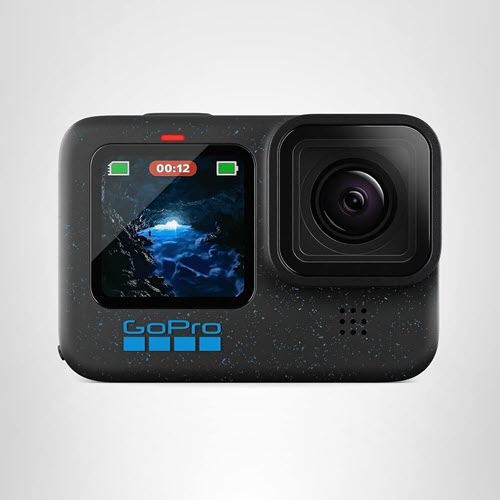
Rock-solid stabilization, endless mounts, and proven reliability. A trusted helmet camera for riders who want consistency and sharp results.
DJI Osmo Action 4
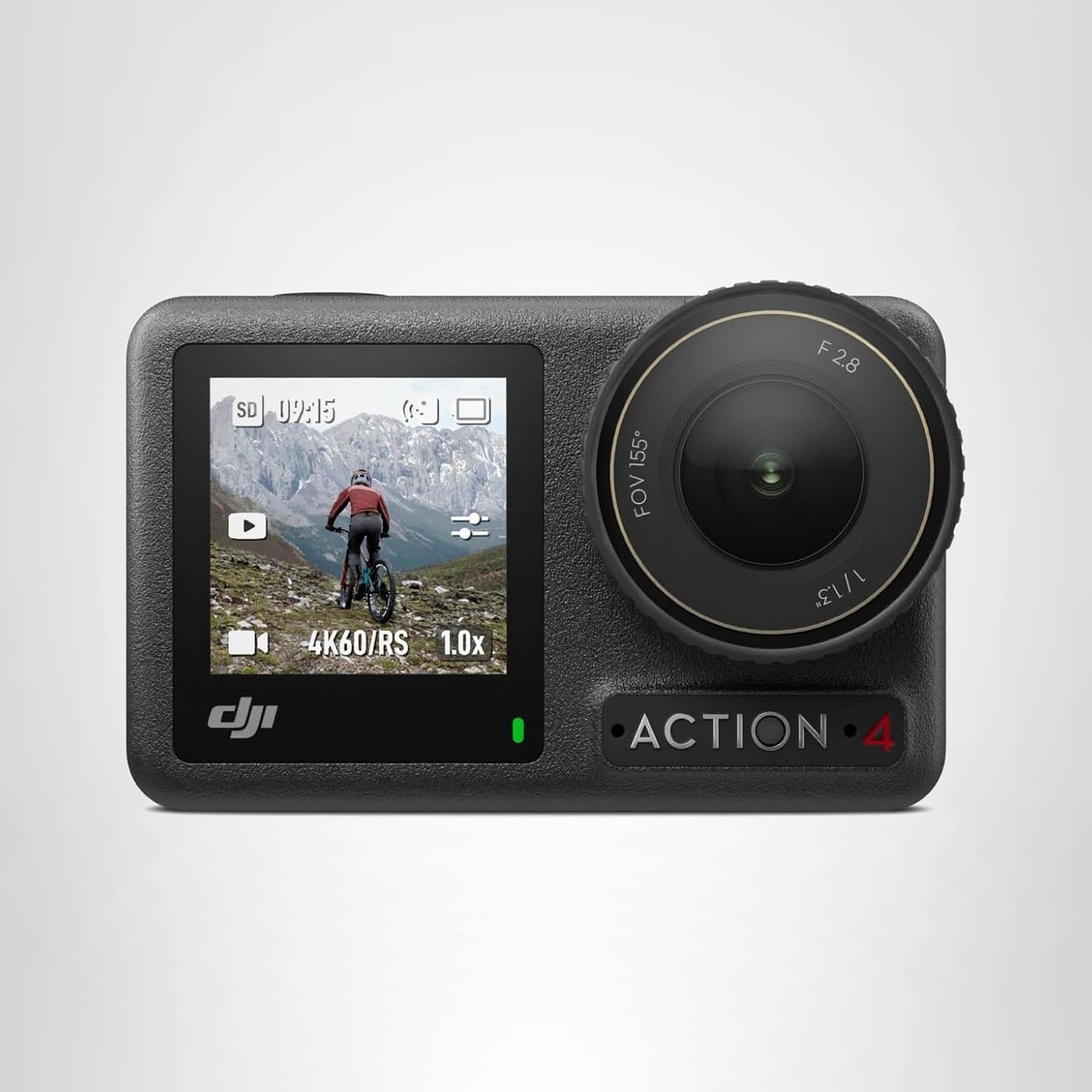
Exceptional low-light performance, natural colors, and calm stabilization. Our top choice for riders who film long days in changing light.
Insta360 Ace Pro
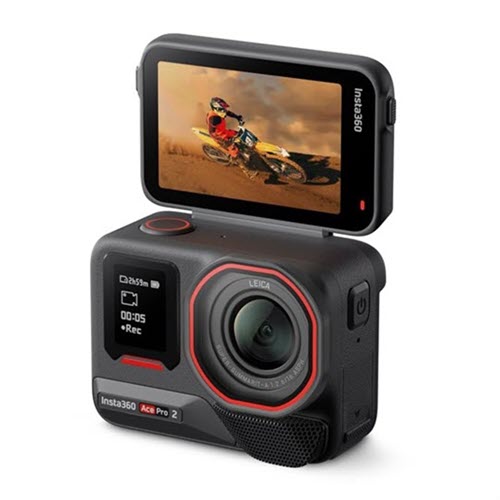
Cinematic image quality with smart processing. Ideal for riders who want stunning visuals with minimal setup and fast results.
Insta360 ONE RS

True storytelling freedom with 360° capture and reframing. Replaceable lenses make it a smart choice for motorcycle adventures.
SJCAM SJ10 Pro
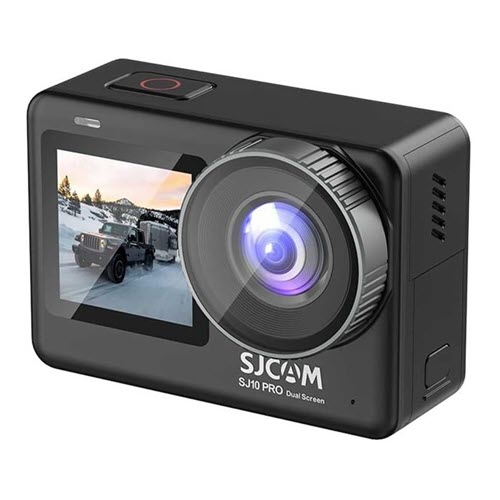
A solid budget-friendly action camera with decent stabilization. Best as a secondary camera or reliable backup on longer trips.
Akaso Brave 8
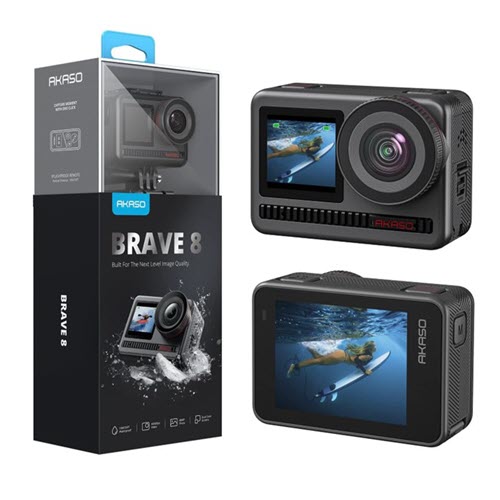
Affordable and easy to use. Perfect for risky mounts, backup angles, or riders starting out without investing heavily.
Motorrad Navigation in den USA
Garmin ZUmo XT2
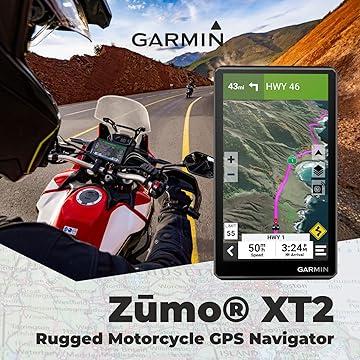
Rock-solid stabilization, endless mounts, and proven reliability. A trusted helmet camera for riders who want consistency and sharp results.
TomTom Rider 400
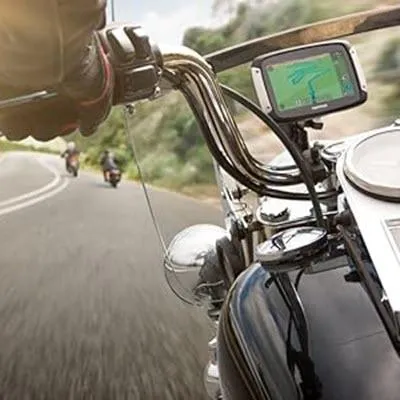
Rock-solid stabilization, endless mounts, and proven reliability. A trusted helmet camera for riders who want consistency and sharp results.
Beeline Moto II
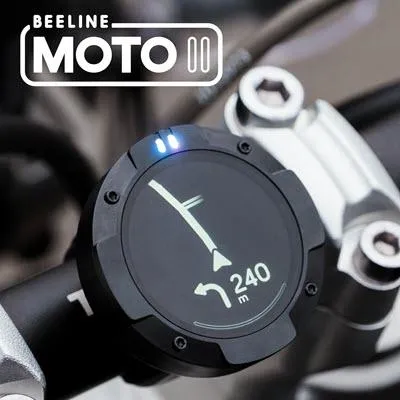
Rock-solid stabilization, endless mounts, and proven reliability. A trusted helmet camera for riders who want consistency and sharp results.
Garmin TREAD 2
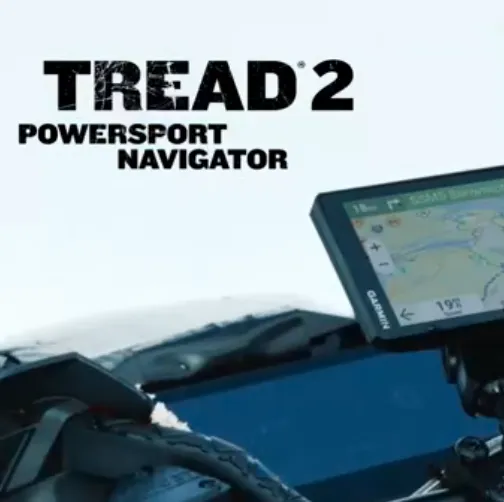
Rock-solid stabilization, endless mounts, and proven reliability. A trusted helmet camera for riders who want consistency and sharp results.
Carpuride W603D
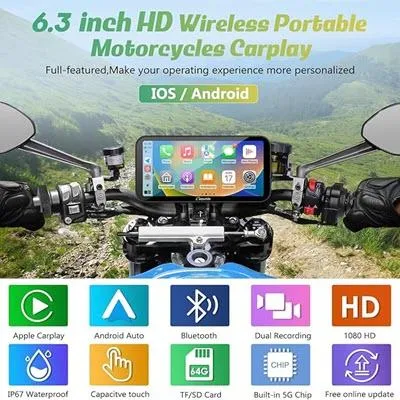
Rock-solid stabilization, endless mounts, and proven reliability. A trusted helmet camera for riders who want consistency and sharp results.
Scenic APP
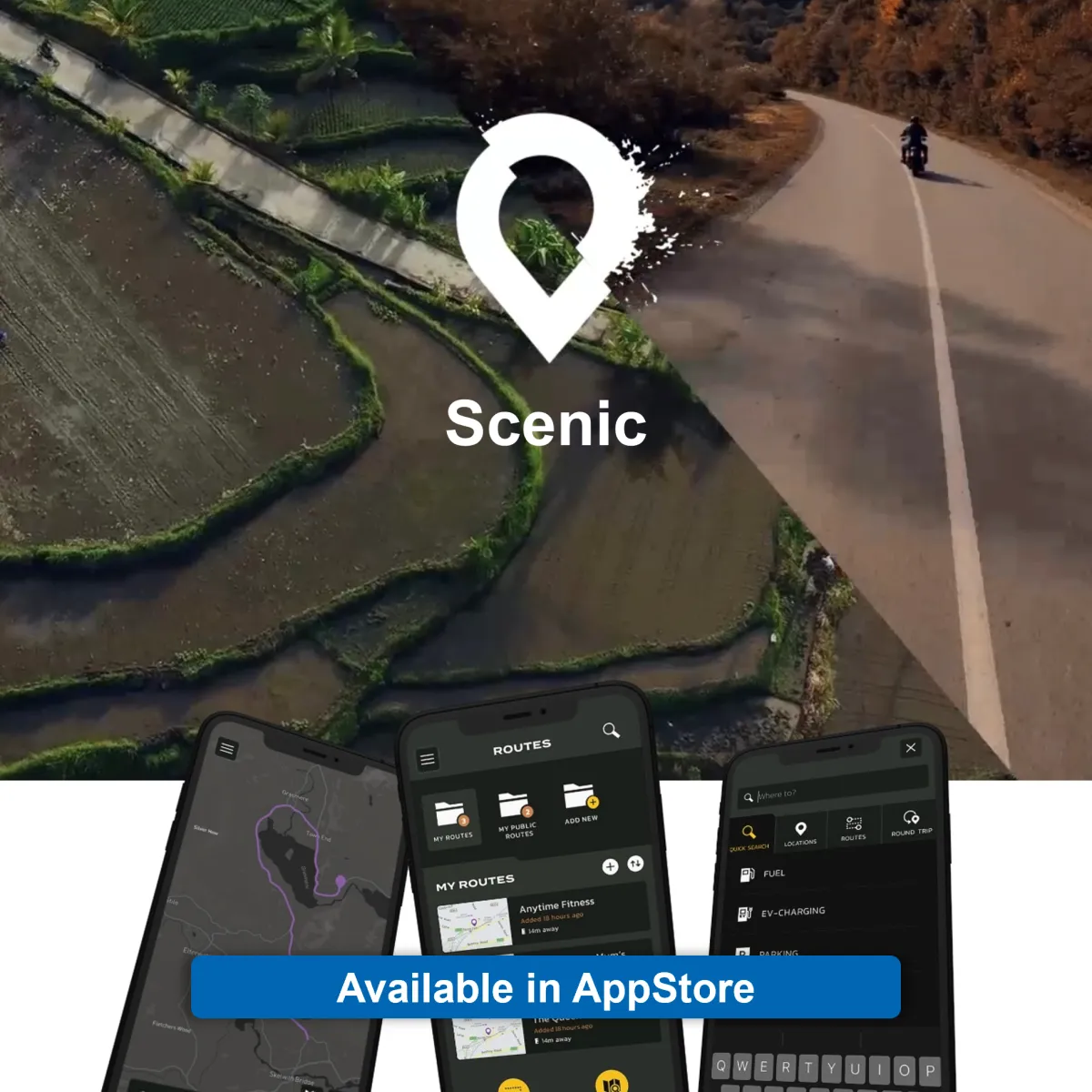
Rock-solid stabilization, endless mounts, and proven reliability. A trusted helmet camera for riders who want consistency and sharp results.
Gehirnfutter für unterwegs
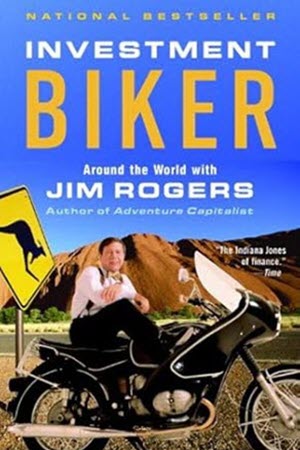

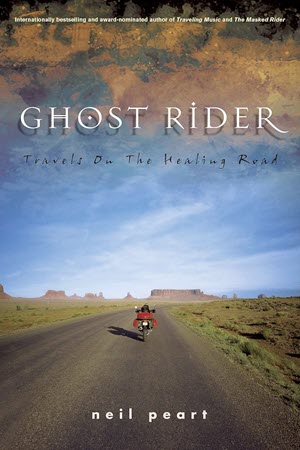


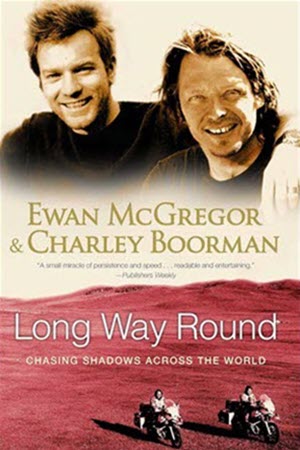
A legendary investor’s 22-month, 52-country motorcycle odyssey - part travelogue, part investor’s world tour. Inspires freedom, global perspective, and smart risk-taking across borders.
A philosophical classic that blends motorcycle travel with deep reflections on quality, purpose, and personal growth. Perfect for riders who want the inner journey as much as the road itself.
The drummer of Rush sets off on a long motorcycle journey after tragedy. The road becomes medicine, clarity, self-reinvention. Strong emotional and personal-development themes that match your “roads instead of retirement” concept.
Not motorcycle-specific, but the best book on slow travel, simplicity, freedom, and building a life around experiences rather than routine. Perfect match for your lifestyle theme.
A transformative motorcycle journey across Latin America that changed the author’s worldview forever. A great match with your Mexico–Central America series and your theme of being shaped by people and landscapes.
A modern classic of motorcycle adventure. Beyond the travel story, it’s about friendship, problem-solving, risk-taking, and how extreme travel forces personal evolution. Fits your “experience, not gear” philosophy.
disclaimer
The recommendations and insights shared on www.BizBiker.com by Sysbizz LLC are based on our own riding experience and independent research. We are not responsible or liable for any outcomes, injuries or damages, or related to the use of products or information mentioned.
Some content referenced in our blog articles originates from third-party creators and is shared for inspiration and additional perspective. Fred & Jessi does not create, control, verify, or endorse this external content and is not responsible for its accuracy, completeness, or expressed opinions.
Links on this page may be affiliate links. We may earn a commission from qualifying purchases made through these links, at no extra cost to you.